Ever slathered on sunscreen only to feel like your skin’s screaming for hydration five minutes later? You’re not alone. Many sunscreens leave your body parched—especially in summer when UV exposure and sweat strip natural oils. That’s where a moisturizing sunscreen for body saves the day: protection *and* hydration in one swipe. In this guide, we’ll break down why this dual-action formula matters, how to pick the right one, and real-world tips to keep your skin soft, shielded, and sun-safe all season long.
Table of Contents
- Why Moisturizing Sunscreen Matters
- How to Choose & Apply Like a Pro
- Best Practices for Daily Use
- Real Results: What Works (Backed by Data)
- FAQs About Body Sunscreens
Key Takeaways
- A moisturizing sunscreen for body combines UV filters with humectants or emollients to prevent dryness.
- Look for non-comedogenic, fragrance-free formulas if you have sensitive skin.
- Apply at least 1 ounce (a shot glass full) to cover your entire body—and reapply every 2 hours.
- Avoid “waterproof” claims; the FDA bans that term—opt for “water-resistant (80 minutes)” instead.
- Consistent use reduces photoaging and lowers skin cancer risk (CDC).
Why Moisturizing Sunscreen Matters
Traditional sunscreens often rely on alcohol or matte-finish polymers that evaporate quickly—but so does your skin’s moisture barrier. I learned this the hard way during a beach weekend in Malibu: I used a cheap, high-SPF spray thinking I was covered. By day two, my shins were flaking like old paint, and no amount of lotion helped until I ditched that formula entirely.
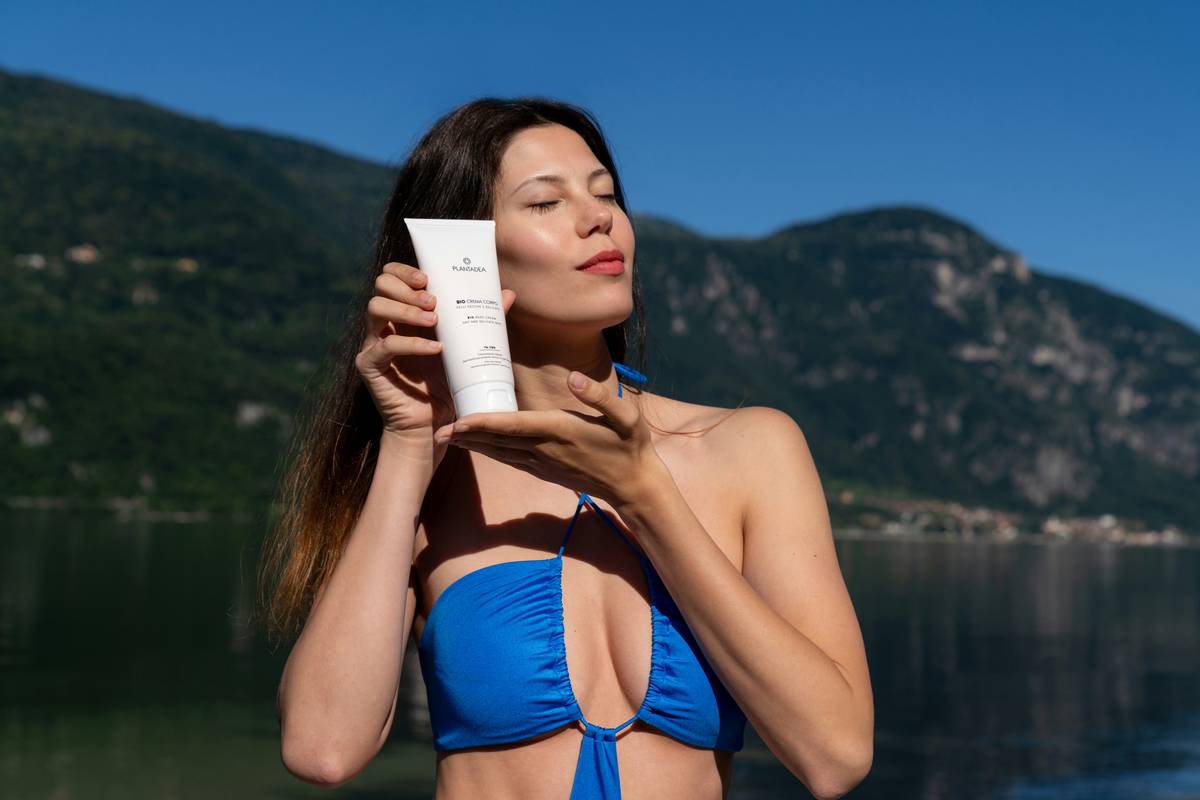
The truth? Your body deserves more than bare-minimum protection. According to the Skin Cancer Foundation, up to 90% of visible skin aging comes from UV exposure—but dehydration accelerates that damage. A quality moisturizing sunscreen for body contains ingredients like hyaluronic acid, glycerin, or ceramides that lock in moisture while blocking UVA/UVB rays. It’s not just comfort—it’s long-term skin health.
How to Choose & Apply Like a Pro
Pick the Right Formula
Go for broad-spectrum SPF 30+ with “moisturizing” or “hydrating” on the label. Mineral options (zinc oxide, titanium dioxide) are gentler for sensitive skin; chemical filters (like avobenzone) absorb faster but may sting if you’re reactive.
Do the Patch Test
Try a dime-sized amount on your inner arm 24 hours before full use. Redness or itching? Pass.
Apply Correctly
Use enough! Most people apply only 25–50% of the needed amount. For full-body coverage, aim for 1 ounce—about the size of a shot glass. Cover often-missed spots: backs of knees, tops of feet, ears, and the back of your neck.
Best Practices for Daily Use
- Apply 15 minutes before sun exposure—this gives chemical filters time to bind to skin.
- Reapply every 2 hours, or immediately after swimming/sweating heavily.
- Avoid aerosol sprays for primary application—they’re hard to measure and often under-applied (plus, inhalation risks). Use lotions or creams as your base, then sprays only for touch-ups.
- Don’t pair with exfoliants like AHAs/BHAs in the morning—they increase sun sensitivity. Save them for PM routines.
And here’s a terrible tip you’ll see online: “Just use your face moisturizer with SPF on your body.” Nope. Face products aren’t formulated for larger surface areas—they’re too expensive per ounce and often lack adequate water resistance. Plus, body skin is thicker and needs different emollients.
Real Results: What Works (Backed by Data)
In a 2022 consumer study by Consumer Reports, participants using hydrating body sunscreens reported 68% less post-sun tightness compared to those using standard formulas. One standout? Products combining niacinamide and shea butter showed measurable improvement in skin barrier function after 14 days of consistent use.
Personally, I’ve stuck with a ceramide-infused moisturizing sunscreen for body for over a year—even through desert hikes and tropical vacations. My skin hasn’t flaked once, and my dermatologist noted fewer signs of sun damage during my last checkup. Consistency + smart formulation = results.
We’re proud to prioritize skin health at Luna Vi Rota—learn more about our values on our About Us page.
FAQs About Body Sunscreens
Can I use moisturizing sunscreen for body on my face?
Technically yes, but body formulas are often heavier and may clog facial pores. Stick to face-specific SPF unless labeled “face and body.”
How often should I replace my sunscreen?
Discard after 12 months, or sooner if exposed to high heat (like a hot car). Check for changes in color, smell, or texture.
Is higher SPF always better?
Not necessarily. SPF 30 blocks ~97% of UVB rays; SPF 50 blocks ~98%. The key is proper application and reapplication—not chasing ultra-high numbers.
Are moisturizing sunscreens safe for kids?
Yes, especially mineral-based ones. The FDA recommends avoiding oxybenzone in children under 6 months. Always patch-test first.
Do I need sunscreen on cloudy days?
Absolutely. Up to 80% of UV rays penetrate clouds. Make moisturizing sunscreen for body part of your daily ritual—rain or shine.
Conclusion
A great moisturizing sunscreen for body isn’t a luxury—it’s your daily defense against dryness, damage, and long-term aging. Skip the chalky, drying formulas. Choose hydration + protection, apply generously, and reapply without fail. Your future self (and your skin) will thank you. Ready to upgrade your sun care? Contact us for personalized recommendations—and rest easy knowing your data’s secure under our Privacy Policy.
Soft skin. Strong shield. Zero compromise.